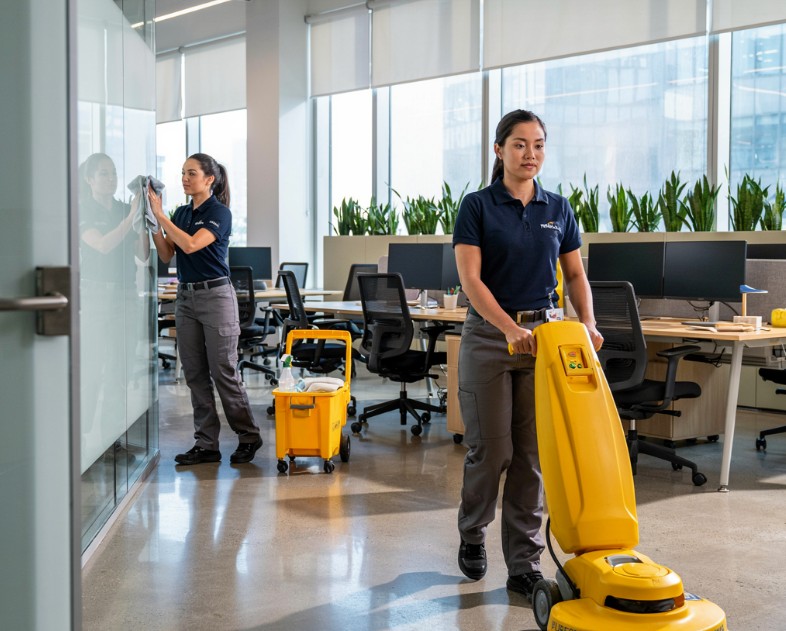
Maintaining a clean commercial workplace is essential for employee wellbeing, customer confidence and the professional image of a business. However, there is no single cleaning schedule that suits every organisation. The right frequency depends on the size of the premises, the number of daily visitors, the type of work performed and the hygiene standards required within the industry.
Factors That Determine Cleaning Frequency
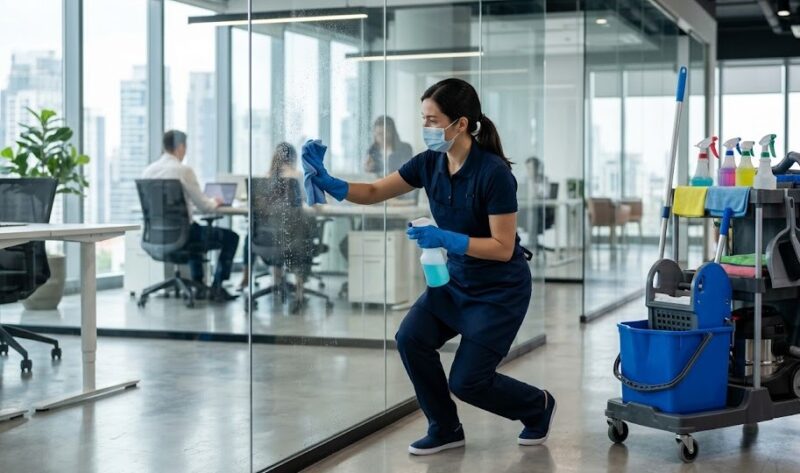
Before establishing a professional cleaning schedule, businesses should assess how quickly different areas become dirty and which spaces present the greatest hygiene risks. For organisations searching for a local cleaning business Brisbane can provide, explore here. A professional provider can inspect the workplace and recommend a schedule based on actual usage rather than applying a generic cleaning plan.
Workplaces with a high number of employees or visitors usually require more frequent attention. Reception areas, shared kitchens, bathrooms, meeting rooms and frequently touched surfaces can accumulate dirt and bacteria throughout the day. Door handles, lift buttons, light switches, desks and communal equipment may need daily cleaning, even when less frequently used rooms are serviced only once or twice a week.
The nature of the business is also important. Medical facilities, childcare centres, gyms and food-related premises generally need stricter cleaning procedures than small offices with limited foot traffic. Weather conditions and the location of the building may also affect frequency, particularly when rain, dust or construction activity causes additional dirt to be carried indoors.
Recommended Schedules for Different Workplaces
Most standard offices benefit from professional cleaning at least two or three times per week. Smaller workplaces with only a few employees may require less frequent service, provided that staff maintain shared areas between professional visits. Larger offices, call centres and coworking spaces usually need daily cleaning because desks, bathrooms and kitchens are constantly used.
Retail stores, restaurants, medical centres and fitness facilities generally require daily professional cleaning. Some may also need cleaning during operating hours to manage spills, waste and heavily used amenities. High-traffic entrances and customer-facing areas should remain presentable throughout the day because they directly influence how visitors perceive the business.
Warehouses and industrial facilities may follow a mixed schedule. Offices and staff facilities can be cleaned daily or several times per week, while storage areas and production floors may require specialised weekly, monthly or scheduled deep-cleaning services. Cleaning frequency should always reflect workplace safety requirements and the type of materials handled on the premises.
Why Regular Deep Cleaning Is Still Necessary
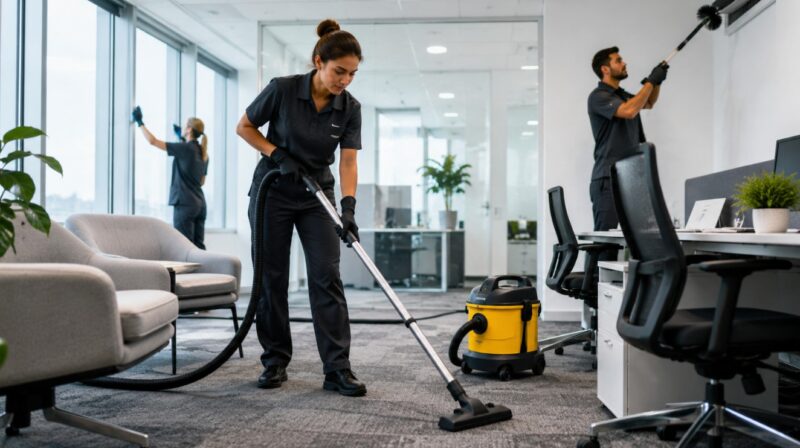
Routine cleaning controls visible dirt and keeps commonly used areas hygienic, but it does not replace periodic deep cleaning. Carpets, upholstery, windows, air vents, hard-to-reach surfaces and areas behind furniture gradually collect dust and contaminants that standard visits may not fully address.
A comprehensive deep clean may be scheduled monthly, quarterly or several times per year, depending on the workplace. Businesses may also arrange additional cleaning after renovations, office relocations, major events or periods of increased illness. Regular reviews help ensure that the cleaning plan continues to match staffing levels, seasonal conditions and changes in how the premises are used.
Conclusion
A commercial workplace should be professionally cleaned often enough to remain safe, hygienic and consistently presentable. While small offices may only need several visits each week, busy or hygiene-sensitive premises often require daily service. The most effective approach is to combine routine cleaning with scheduled deep cleaning and adjust the plan whenever workplace conditions change.