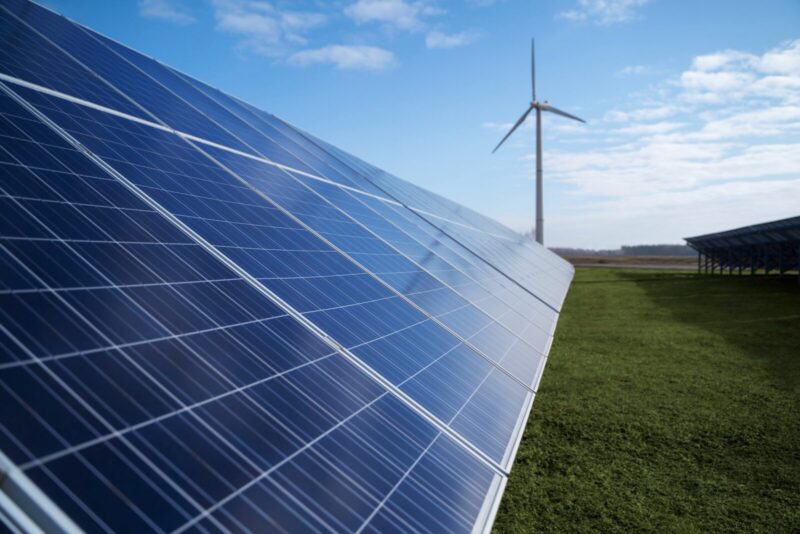
As renewable energy infrastructure expands, solar farms and battery energy storage systems play an increasingly important role in modern power networks. However, these assets also introduce new power quality challenges. One of the most significant is harmonic distortion, which can affect performance, compliance, and long term reliability if not properly managed. Understanding why harmonics occur, how they impact systems, and how they can be mitigated is essential for stable operation.
Causes of harmonic distortion in solar and BESS installations

Harmonic distortion in solar farms and BESS sites is primarily caused by power electronic devices. Inverters, converters, and variable frequency drives do not draw or inject current in a perfectly sinusoidal manner. Instead, they switch rapidly, creating non linear current waveforms that introduce harmonics into the network.
In solar installations, grid tied inverters are the main source. In BESS facilities, bidirectional inverters used for charging and discharging add further complexity. When multiple inverters operate together, harmonic effects can accumulate or interact with network impedance, amplifying distortion levels.
Engineers looking at harmonic filter design (click here) often find that site layout, inverter topology, switching frequency, and grid strength all influence harmonic behavior. Weak grids, long cable runs, and transformers with certain impedance characteristics can worsen harmonic distortion if not considered during design.
Impacts on equipment, grid compliance, and performance

Excessive harmonic distortion can have wide ranging impacts on both plant equipment and the surrounding electrical network. Harmonics increase thermal stress in transformers, cables, and switchgear, leading to higher losses and reduced equipment life. Over time, this can result in overheating, insulation degradation, and unexpected failures.
From a compliance perspective, most grid codes and utility standards impose limits on total harmonic distortion and individual harmonic orders. Exceeding these limits can lead to connection issues, penalties, or requirements for costly retrofits. Harmonics can also interfere with protection systems, metering accuracy, and communication signals.
Performance impacts are another concern. Harmonic distortion reduces overall power quality, which can affect inverter efficiency and system stability. In severe cases, resonance conditions may occur, causing distortion levels to rise sharply and threatening safe operation.
Fixes and mitigation strategies for harmonic control
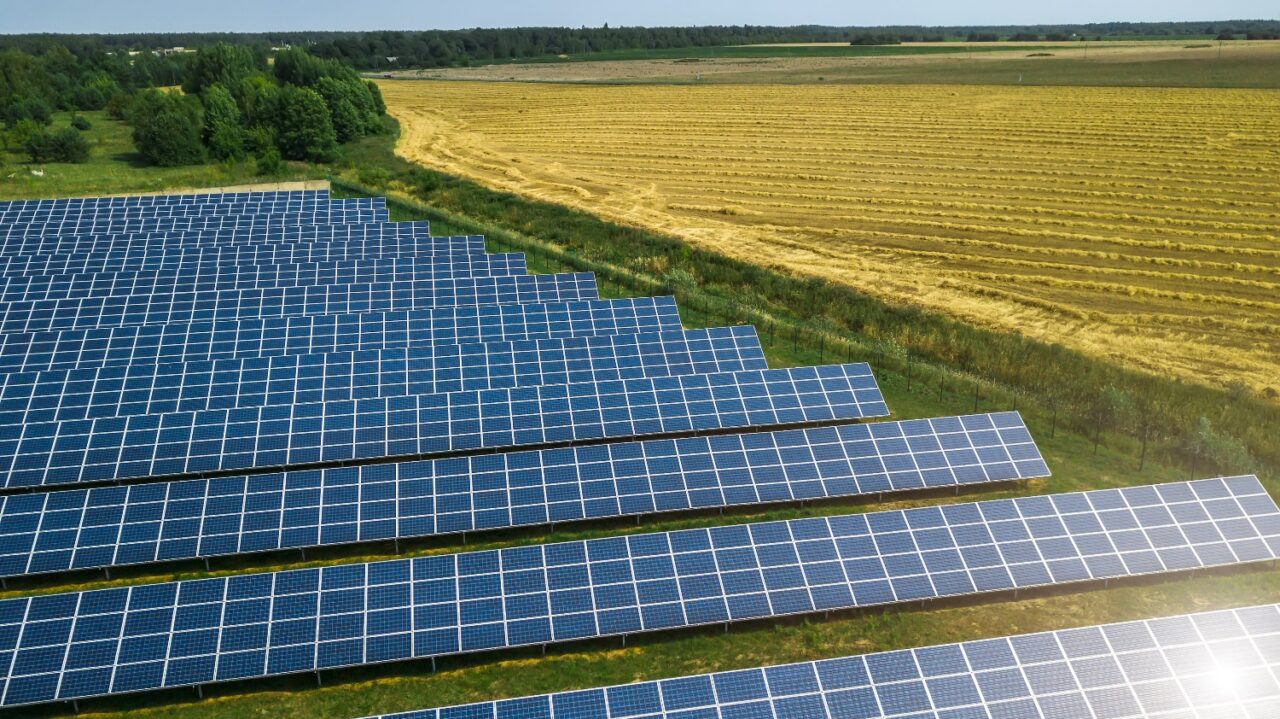
Addressing harmonic distortion starts with proper analysis. Harmonic studies conducted during the design phase help predict distortion levels and identify potential resonance issues. These studies inform decisions on equipment selection, transformer sizing, and network configuration.
One of the most effective mitigation measures is the use of harmonic filters. Passive filters, active filters, or hybrid solutions can be applied depending on site requirements. Passive filters target specific harmonic frequencies, while active filters dynamically compensate for changing harmonic profiles common in renewable energy systems.
Other strategies include selecting inverters with lower harmonic emission, adjusting switching frequencies, strengthening the grid connection, and optimizing transformer impedance. In some cases, system control settings can be tuned to reduce harmonic interaction between assets.
Ongoing monitoring is also important. Power quality meters and monitoring systems allow operators to track harmonic levels over time and respond proactively to changes caused by network modifications or asset expansion.
Conclusion
Harmonic distortion is a common and manageable challenge in solar farms and BESS sites when addressed with the right technical approach. By understanding the causes, recognizing the impacts on equipment and compliance, and applying appropriate mitigation measures, operators can maintain high power quality and long term system reliability. Early analysis, informed design choices, and targeted harmonic control solutions ensure renewable energy assets integrate smoothly into modern power networks without compromising performance or safety.