
Pogust Goodhead’s leadership overhaul followed a prolonged period of financial pressure, senior departures, and disagreement over how the firm should be controlled. The removal of founder Tom Goodhead from the chief executive position was not an isolated management change. It exposed deeper tensions involving expenditure, litigation funding, professional independence, and the future direction of a firm responsible for some of the largest group claims in the United Kingdom.
Internal Disagreements Escalated Into a Leadership Crisis
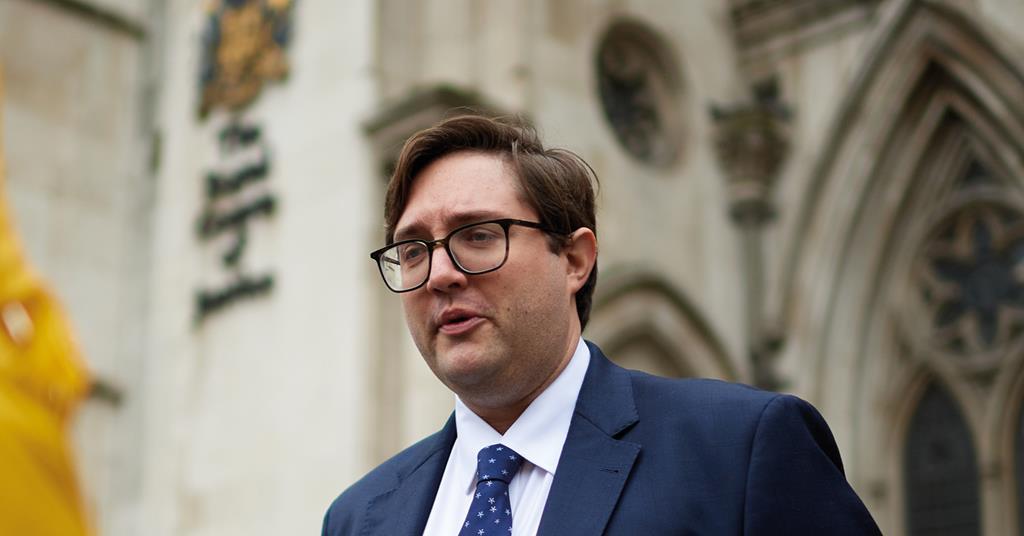
Pogust Goodhead’s internal governance dispute became increasingly public after allegations were made concerning the firm’s spending under Tom Goodhead’s leadership. Reports referred to costly travel, accommodation, hospitality, and other expenses that critics claimed were excessive. Goodhead denied wrongdoing and maintained that expenditure associated with international litigation and business development had legitimate commercial explanations.
The controversy also extended beyond one executive. Alicia Alinia, who replaced Goodhead as chief executive, rejected suggestions that she had participated in similarly lavish spending. Competing accounts of who approved expenses and how decisions were reviewed illustrated a broader problem: responsibility can become difficult to establish when authority is concentrated among a small group of senior figures.
The appointment of additional board members was intended to introduce stronger oversight and experienced management. However, the restructuring also raised questions about why those safeguards had not been implemented earlier, particularly as the firm expanded rapidly and accepted hundreds of millions in external financing.
Debt Increased the Influence of Financial Pressures
Pogust Goodhead’s business model depends on investing heavily in complex litigation years before cases generate revenue. Its environmental and consumer claims require large legal teams, international offices, expert evidence, document analysis, technology, and extensive claimant communication. These costs were supported by litigation funding, including a major arrangement with US investment manager Gramercy.
External capital allowed the firm to pursue cases that individual claimants could not finance themselves. At the same time, growing liabilities made continued support from the funder essential. Delays in trials or compensation decisions meant that borrowing costs could accumulate while expected legal fees remained uncertain.
This dependence reportedly contributed to conflict over budgets, management decisions, and the firm’s ability to comply with its financial obligations. Although funders have a legitimate interest in protecting their investment, solicitors must retain independent control of litigation and act in their clients’ best interests.
The leadership dispute therefore created concern about where financial supervision ended and interference with professional decision-making might begin.
Departures Added to Operational Uncertainty

The management upheaval was accompanied by the departure of senior lawyers and other employees. Some were closely involved in major cases, creating uncertainty about continuity, institutional knowledge, and relationships with claimants. The disruption became especially visible in diesel emissions litigation, where changes to the legal team raised questions about how responsibilities would be transferred before important proceedings.
Pogust Goodhead has continued to state that its cases remain properly managed and that its professional independence is protected. Nevertheless, the new leadership faces the difficult task of stabilising operations while reducing costs, maintaining funder confidence, and reassuring clients that internal disagreements will not affect their claims.
Rebuilding trust will require more than replacing executives. Clear spending policies, independent expense approval, transparent reporting, defined board responsibilities, and effective conflict procedures will be necessary to demonstrate that the underlying governance weaknesses have been addressed.
Conclusion
Pogust Goodhead’s leadership shake-up emerged from interconnected problems rather than a single dispute. High debt increased financial pressure, contested expenditure damaged confidence, and staff departures intensified concerns about stability.
The firm’s future now depends on whether its new management can establish credible oversight without compromising legal independence. Its success in major litigation may remain important, but sustainable recovery will also require disciplined finances, accountable leadership, and a governance structure capable of preventing another internal crisis.