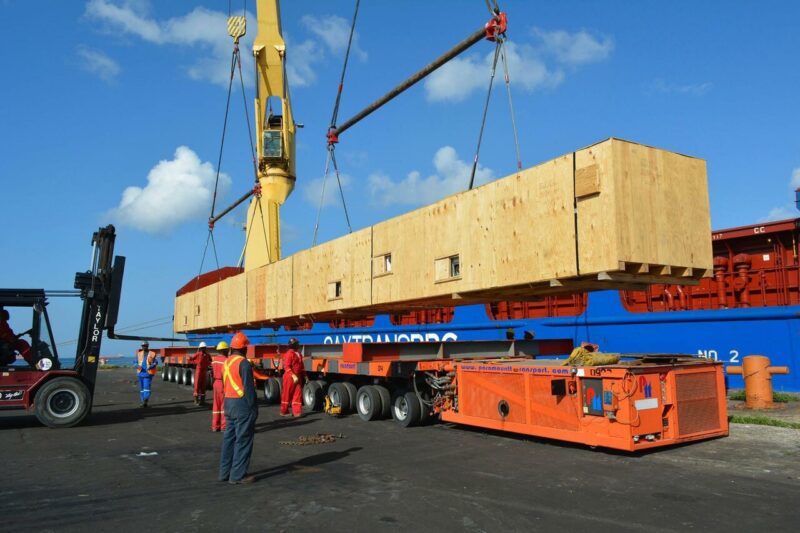
Moving oversized industrial cargo requires careful coordination, detailed route planning, and specialized transportation equipment. Heavy project freight movement is commonly used in industries such as energy, construction, mining, manufacturing, and infrastructure development where extremely large components must be transported safely over long distances.
Unlike standard freight delivery, project cargo transportation often involves oversized dimensions, exceptional weight limits, and complex logistics planning. Every shipment must be handled with precision to reduce risks, avoid delays, and ensure valuable equipment reaches its destination safely.
Planning Is The Foundation Of Heavy Freight Transport
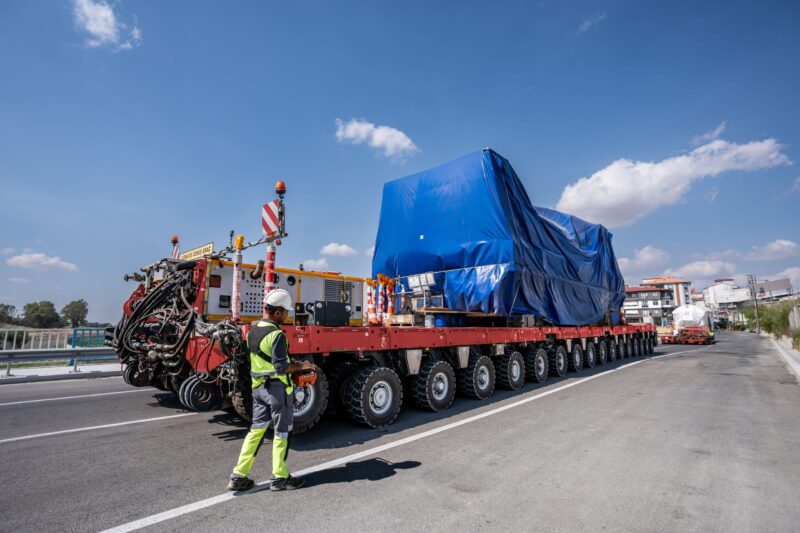
Successful heavy project freight movement begins with detailed planning before any cargo is loaded or transported. Logistics teams evaluate the dimensions, weight, and handling requirements of every shipment to determine the safest transportation method.
Route analysis is one of the most important stages of the process. Transport specialists must examine road conditions, bridge capacities, tunnel clearances, traffic restrictions, and local regulations before selecting the final route.
Large industrial cargo may also require permits, escort vehicles, police coordination, or temporary road adjustments depending on the size of the load and regional transport laws.
Specialized Equipment Handles Oversized Cargo
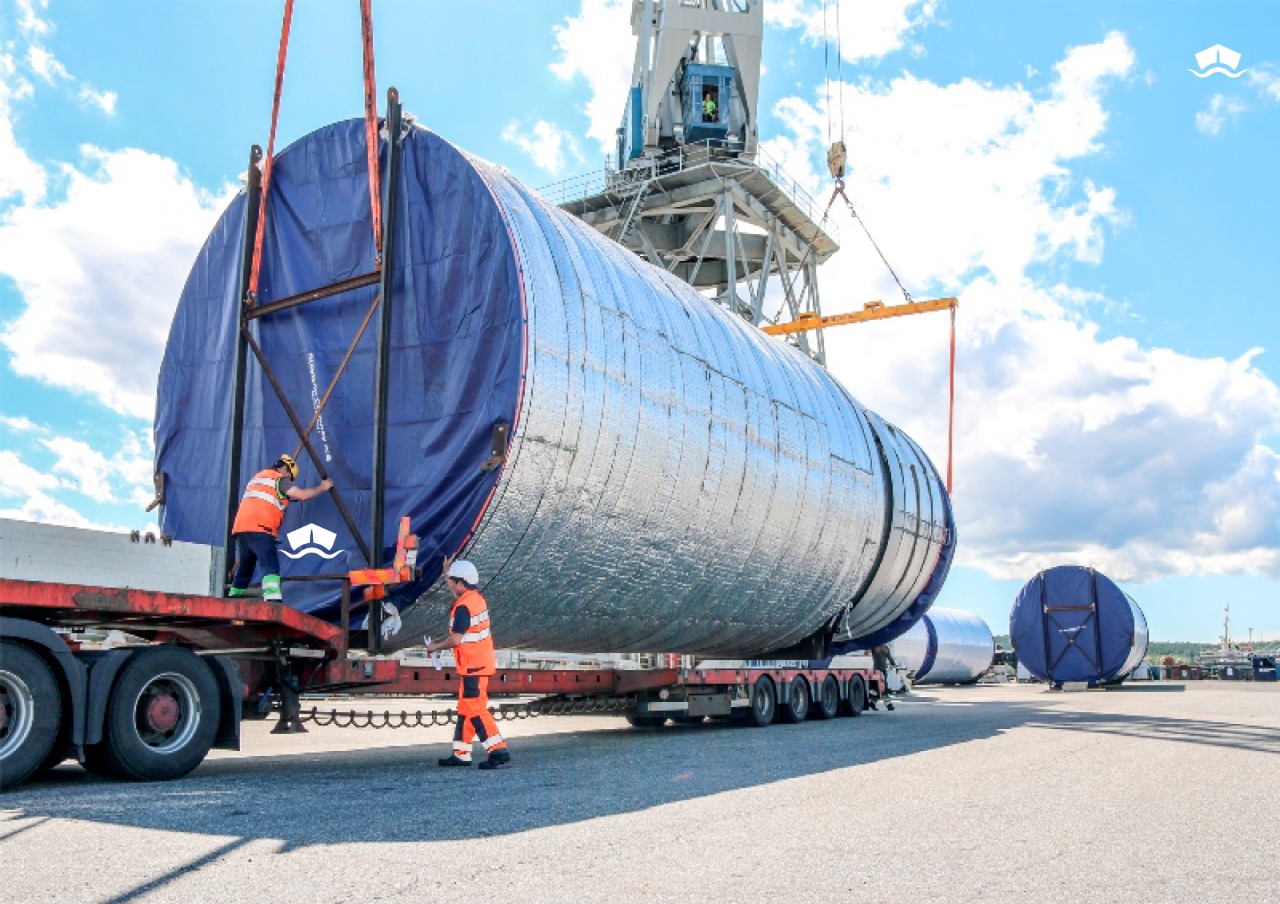
Heavy freight transportation requires specialized trailers and support equipment designed to carry oversized and extremely heavy loads safely. Multi axle trailers, hydraulic platforms, lowboy trailers, and modular transport systems are commonly used for project cargo operations.
Different cargo types require different transport solutions. Large generators, wind turbine components, industrial tanks, construction machinery, and steel structures all have unique loading and securing requirements.
Professional freight teams use cranes, lifting systems, and reinforced tie down equipment to secure cargo during transit. Proper weight distribution is essential to prevent accidents and protect both the cargo and surrounding infrastructure.
Coordination And Safety Remain Critical

Heavy project cargo transportation often involves multiple companies, authorities, and logistics specialists working together throughout the shipment process. Communication between transport operators, route planners, engineers, and local agencies is essential for avoiding delays and safety problems.
Weather conditions can also affect transportation schedules, especially when moving oversized cargo across long distances. Wind, heavy rain, or poor road conditions may require schedule adjustments or temporary route changes.
Safety regulations remain one of the most important parts of project freight logistics. Transport providers must follow strict standards related to cargo securement, driver qualifications, permit compliance, and equipment inspections.
Conclusion
Heavy project freight movement requires far more than standard shipping procedures. From route analysis and permit coordination to specialized trailers and safety planning, every stage of oversized cargo transportation must be carefully managed. Businesses working with experienced freight specialists can reduce risks, improve delivery efficiency, and ensure valuable industrial equipment reaches its destination safely and on schedule.