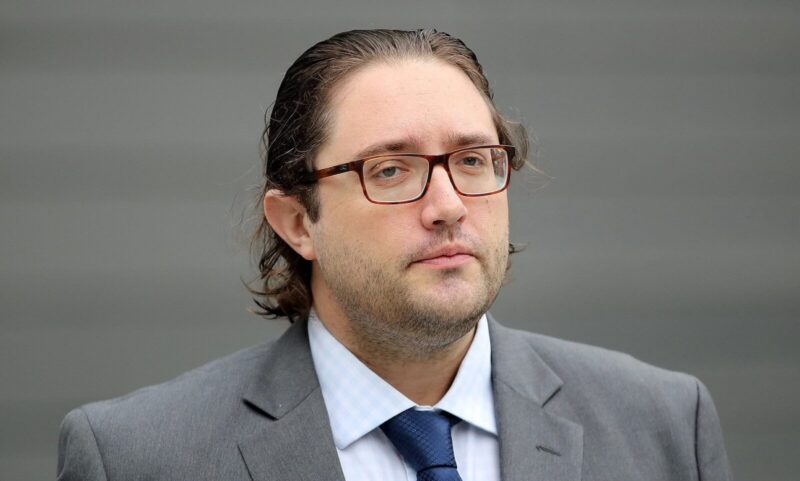
The controversy surrounding Tom Goodhead and Pogust Goodhead has become one of the most discussed legal industry stories in recent years. Leadership changes, governance concerns, funding pressure, and public allegations have all contributed to growing scrutiny around the firm and its future direction.
Why Tom Goodhead’s Exit Became So Significant
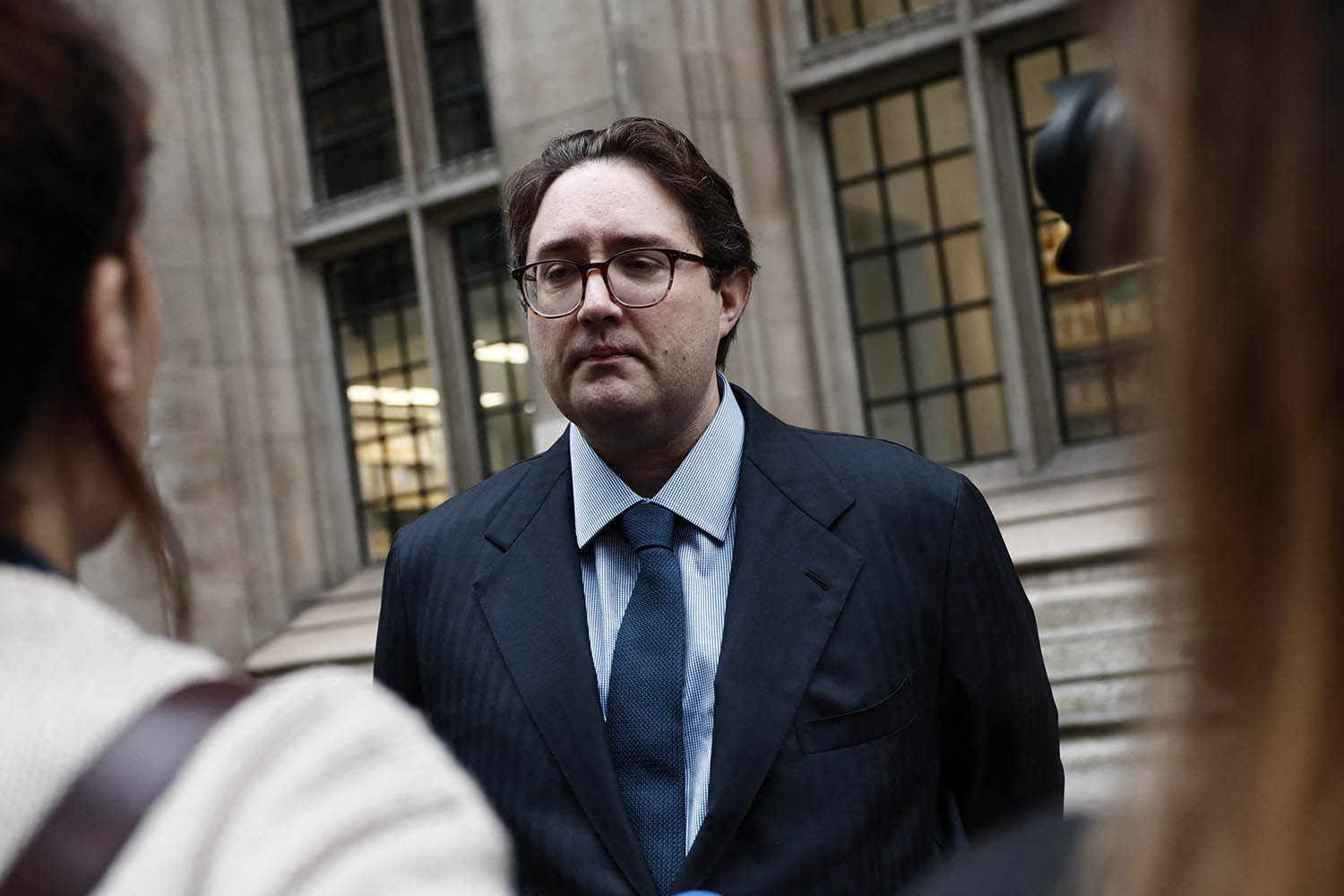
Tom Goodhead was widely recognized as one of the leading public figures behind Pogust Goodhead’s rapid growth in large scale international litigation. The firm became known for handling complex claims involving environmental disputes, consumer rights, and corporate accountability.
When reports emerged that Goodhead had effectively been removed from a central leadership position, the legal market reacted quickly. Discussions around Third party litigation funding also intensified because funding relationships are often critical to the survival and expansion of firms handling large claimant actions.
Leadership disputes inside firms supported by major external funding can create concern among clients, investors, and employees. In the case of Pogust Goodhead, public attention increased because the firm was already involved in expensive and highly visible legal claims across multiple jurisdictions.
The Role Of Funding In The Pogust Goodhead Controversy

Third party litigation funding allows law firms to pursue costly legal actions without requiring clients to personally finance every stage of the process. Investors or funding groups provide financial backing in exchange for a share of future recoveries if the cases succeed.
This system has become increasingly common in large international litigation, especially in cases involving environmental damage, mass consumer claims, or corporate misconduct. While the model can help ordinary claimants access justice, it also creates pressure for strong governance and financial discipline.
Reports connected to Pogust Goodhead suggested tensions involving spending, management decisions, and oversight of financial operations. Questions about how funding was managed became central to the wider controversy. Although allegations and public speculation do not automatically prove wrongdoing, they can still damage confidence in a legal business.
The situation also demonstrated how quickly investor confidence and public trust can shift when leadership instability becomes visible. A law firm handling high value claims depends heavily on credibility, organization, and stable relationships with both clients and funders.
What Happens Next For Pogust Goodhead?

The future of Pogust Goodhead will likely depend on how effectively the firm can rebuild confidence and maintain continuity in its active legal cases. Clients involved in long running litigation mainly want reassurance that their claims remain protected and that legal work continues without disruption.
The controversy may also push the wider legal industry toward closer examination of litigation funding structures and internal governance standards. Firms involved in large scale group claims are under increasing pressure to balance aggressive growth with transparent management and professional accountability.
For Pogust Goodhead, leadership restructuring could represent either a period of recovery or a sign of deeper operational problems. Much will depend on future legal outcomes, financial stability, and the ability of the firm to maintain trust among claimants, staff, and financial backers.
Conclusion
The removal of Tom Goodhead from a leadership role at Pogust Goodhead has turned into a wider debate about litigation funding, governance, and accountability within modern legal firms. While many details remain disputed, the controversy highlights the risks that can emerge when rapid expansion and financial pressure collide.