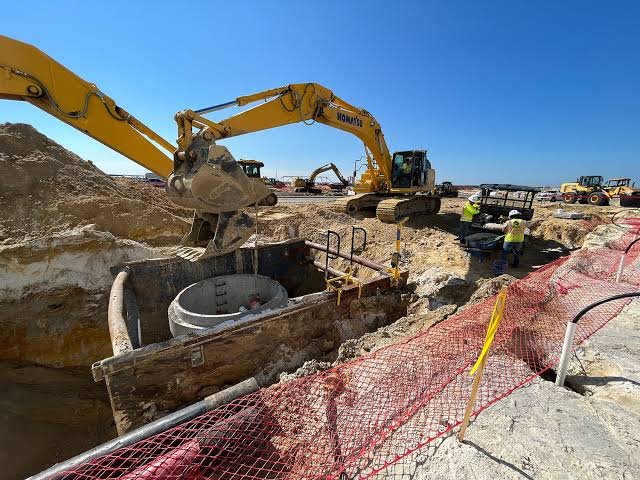
Large civil and environmental projects involve significant investment, strict regulatory requirements, and complex construction processes. From landfills and mining operations to water storage facilities and containment systems, every stage of construction must meet detailed engineering specifications. Even minor defects that go unnoticed during installation can lead to costly repairs, environmental risks, and project delays.
Independent quality checks provide an additional layer of assurance by verifying that materials, installation methods, and completed works comply with project requirements. This objective assessment helps identify issues early, allowing corrective action before they become larger problems.
Proactive quality assurance plays an essential role in delivering reliable infrastructure that performs as intended over the long term.
Why Independent Verification Matters
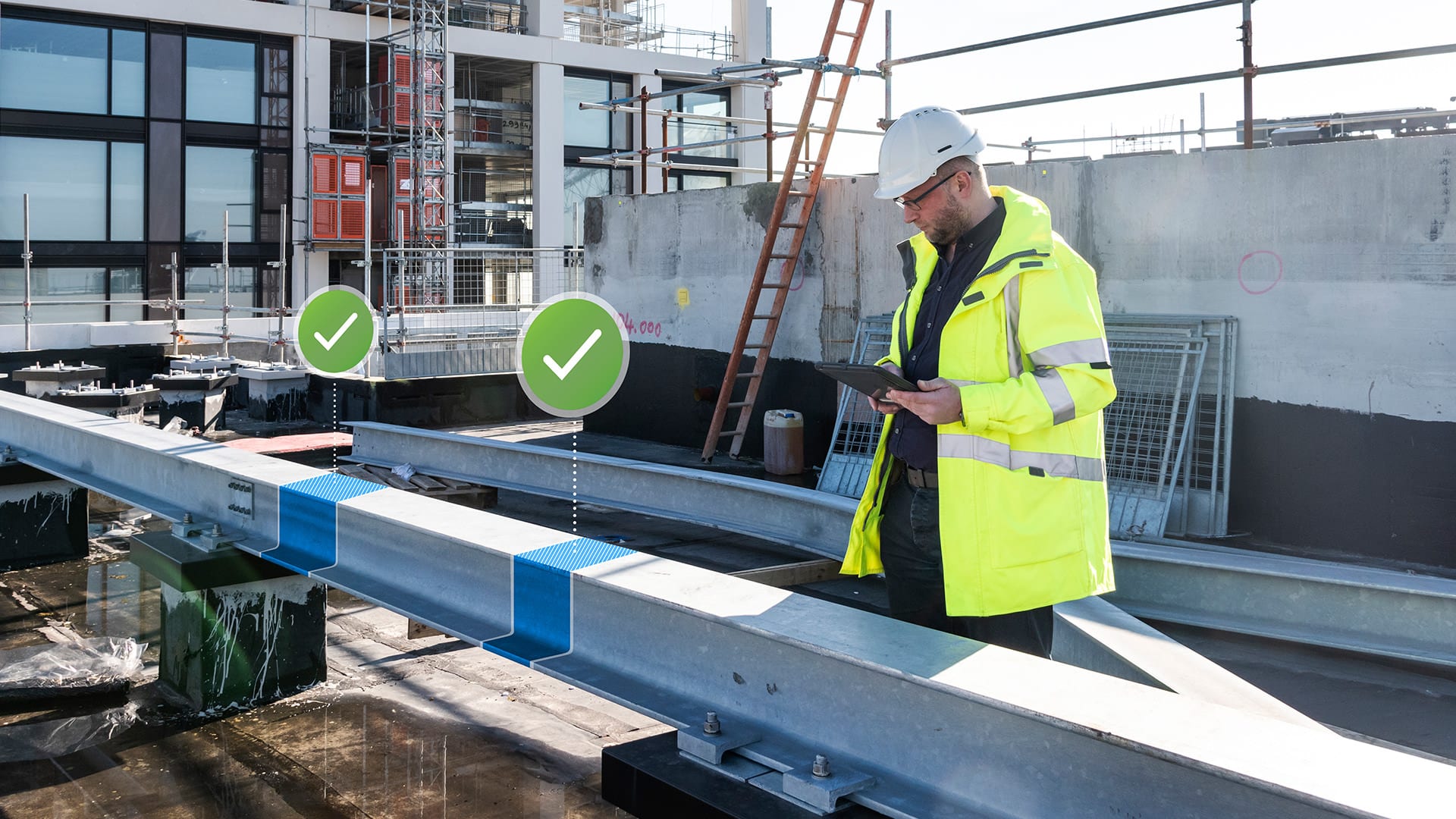
Project owners and contractors can explore CQA (click here) to better understand how Construction Quality Assurance provides independent verification of materials, installation practices, testing procedures, and compliance throughout civil and environmental construction projects.
Independent quality inspections help confirm that construction work meets approved specifications while identifying defects that may not be visible during routine site supervision. This process provides greater confidence that containment systems, liners, and other critical infrastructure have been installed correctly.
Early verification also reduces the likelihood of expensive remediation work after a project has been completed or placed into operation.
Independent oversight strengthens quality control while reducing long-term project risk.
Protect Project Performance And Compliance
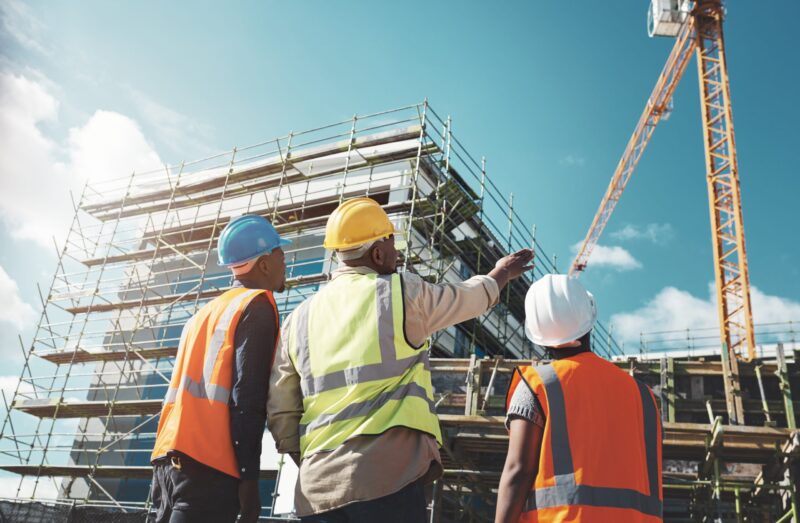
Quality assurance is not only about detecting construction defects. It also helps demonstrate compliance with engineering standards, environmental regulations, and contractual obligations. Detailed inspection records and testing documentation provide valuable evidence that required quality procedures have been followed throughout construction.
This documentation can simplify future audits, support regulatory reporting, and reduce the potential for disputes between project stakeholders. Maintaining consistent quality controls also improves confidence in the long-term performance of completed infrastructure.
Comprehensive quality management contributes to safer, more reliable project outcomes.
Strong documentation supports both operational performance and regulatory compliance.
Reduce Long-Term Costs Through Early Detection
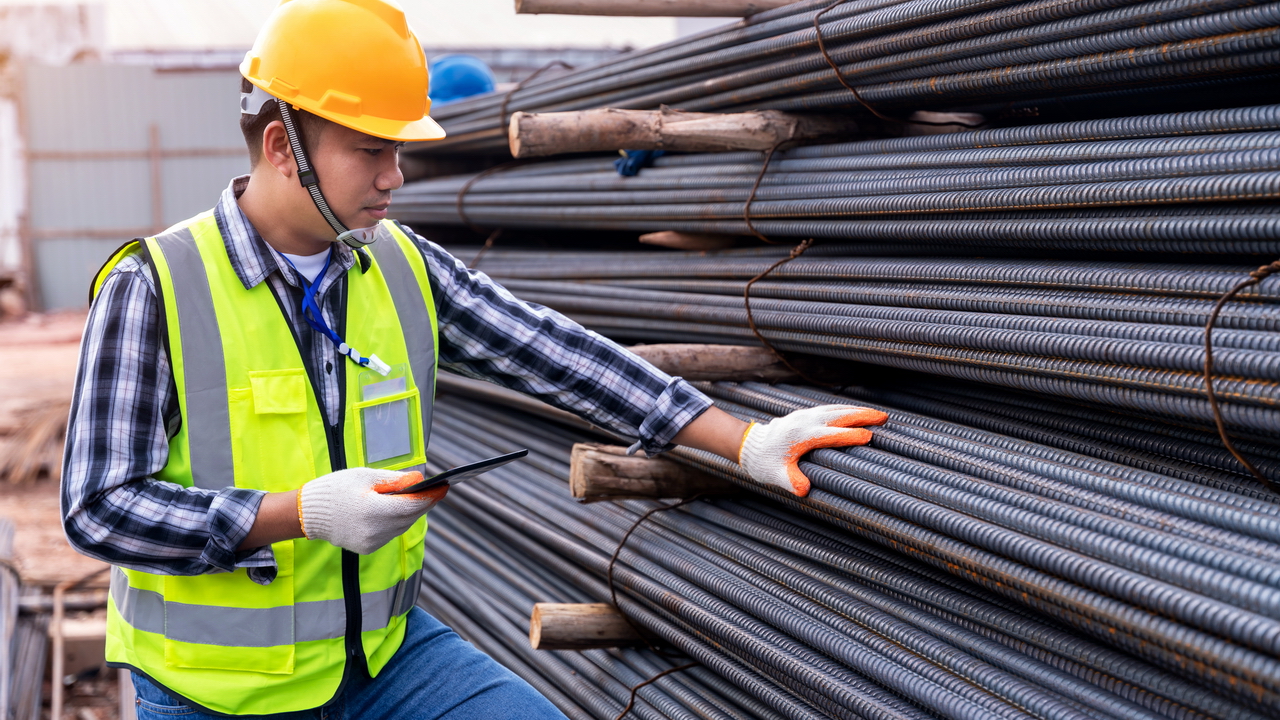
Correcting construction issues during installation is generally far less expensive than repairing failures after a facility becomes operational. Independent inspections allow contractors to identify and resolve defects before additional construction activities make repairs more difficult or costly.
Regular quality reviews throughout the project lifecycle also improve communication between contractors, engineers, and project owners, helping ensure problems are addressed promptly and efficiently.
Investing in independent quality assurance helps protect project budgets while reducing operational and environmental risks over the long term.
Preventative quality management remains one of the most effective ways to improve overall project success.
Conclusion
Independent quality checks are an essential part of managing risk on large civil and environmental projects. By verifying compliance, identifying defects early, and supporting accurate documentation, quality assurance helps protect both project performance and long-term infrastructure reliability.
Implementing structured quality assurance throughout construction allows project teams to reduce costly failures, improve compliance, and deliver safer, more durable assets that perform as intended for many years.